Look Beyond the Building
Because the question was never whether they’re coming home. The question is who they’ll be when they do.

There are certain conversations that have a way of reminding us why listening matters.
Long before I walked through the doors of the Johnson County Jail, I had spent years sitting across tables from people whose lives had been shaped by incarceration. Some were trying to reconnect with their children after years apart. Some were looking for work while carrying the weight of a criminal record that seemed to follow them everywhere they went. Others spoke candidly about the decisions they had made, accepting responsibility for the choices that led them there. Still others shared stories that reminded me how often addiction, untreated mental illness, poverty, unstable housing, and broken relationships quietly paved the road long before anyone ever entered a jail cell.
Those conversations were never abstract to me because they have always been part of the work we do at Dream City.
Every day we invest in young people because we believe prevention matters. We want to interrupt cycles before they begin, creating opportunities that help young people envision a future larger than the circumstances surrounding them. At the same time, we walk alongside men and women returning home after incarceration because we believe a person’s story does not end with their worst decision. If we truly believe people are capable of change, then our responsibility doesn’t end when someone leaves a courtroom or walks out of a correctional facility. In many ways, that’s where the real work begins.
That is why, after touring the Johnson County Jail, I didn’t rush home to write.
I had seen the facility with my own eyes, but I wanted to make sure what I witnessed was grounded in the experiences of those who had actually lived inside those walls. So I returned to conversations I had already been having for years. I listened again to men and women who had experienced the jail firsthand. I wanted to know whether what I observed aligned with what they had endured.
Only then did I publish my reflections.
In the days that followed, many people reached out. Some agreed with what I wrote. Others disagreed. Some assumed I was advocating for a new jail, while others assumed I was arguing against one.
The truth is, I wasn’t trying to persuade anyone how to vote.
I was trying to persuade us not to lose sight of the people who will live inside whatever decision we make.
Some have since asked me a simple question: “So where do you stand?”
The longer I have sat with that question, the more convinced I am that it deserves more than a simple answer.
If all we are proposing is a larger, newer, more modern jail that continues operating under the same philosophy, then I cannot support that. A new building, by itself, does not restore lives. Buildings don’t rehabilitate people. People, programs, culture, accountability, education, mental health care, addiction treatment, meaningful work, and genuine opportunities for restoration do. A new facility without a new vision simply gives us newer walls around the same problems.
But I also cannot ignore what I saw. Nor can I ignore what I have heard over the years from people who have lived inside the current facility.
To refuse any investment at all is to accept that men and women will continue living in conditions that diminish their dignity and, in many cases, deepen the very brokenness we hope they will overcome. As shared previously, the overwhelming majority of the people housed there will eventually return to our neighborhoods, our workplaces, our churches, and our families. If we believe that, then we also have to ask whether the environment we place them in is preparing them to succeed when they come home or simply asking them to survive until they leave.
That is why I believe we’ve created a false choice.
We’ve convinced ourselves this conversation is about whether to build a jail. I don’t believe that’s the real question. The real question is whether we are willing to build a justice system that reflects both accountability and human dignity.
Justice has never been one-size-fits-all, and neither should our response to those who enter the system.
There are people whose actions require incarceration because they present a genuine danger to others. Public safety matters, and communities deserve to be protected. Victims deserve justice, and accountability is an essential part of that process.
But there are also people who find themselves in our criminal justice system because of addiction, untreated mental illness, poverty, or mistakes that, while serious, may not require the response of a jail cell. We should have the courage to ask whether incarceration is always the best tool for every circumstance or whether there are moments when treatment, restorative justice, community supervision, education, or other evidence-based alternatives are more likely to produce accountability while also reducing the likelihood that someone returns to the system.
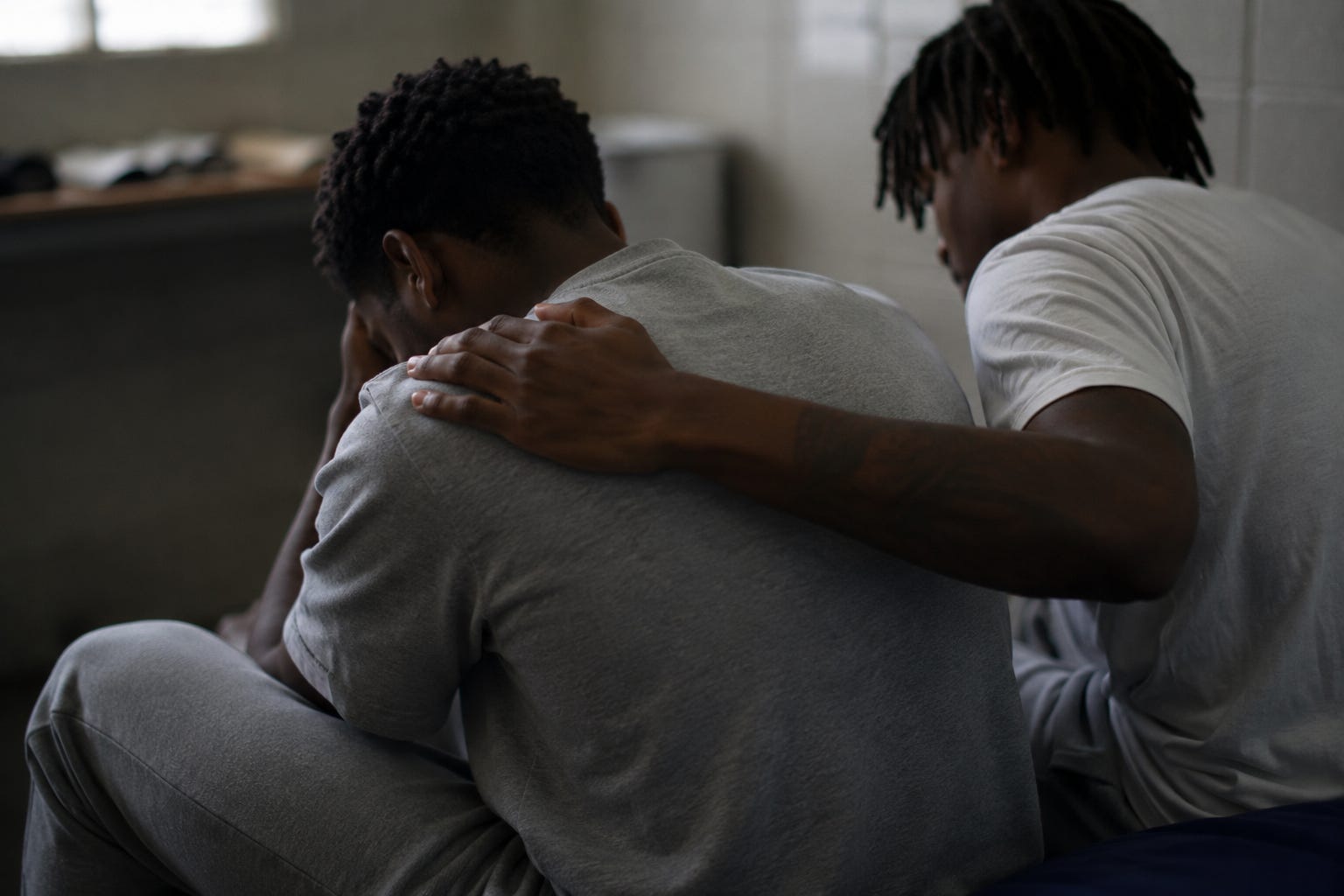
That isn’t being soft on crime. It’s being serious about outcomes.
If our goal is simply punishment, then our work ends the moment someone is locked behind a door. But if our goal is safer communities, then we have to care about who people become before they return to them.
That is why I struggle when this conversation is framed as a choice between investing in prevention or investing in a jail.
I reject that premise because healthy communities require both prevention and accountability. They also require us to think beyond those two options.
We should be investing more in young people before they ever encounter the justice system. We should strengthen families, expand access to mental health care, address addiction, create pathways to employment, and confront the racial disparities that continue to exist throughout our criminal justice system. Those investments are not optional. They are essential.
At the same time, we should continue expanding alternatives that hold people accountable without unnecessarily introducing them to the damaging effects of incarceration when another response would better serve both the individual and the community.
And for those who must be incarcerated, we have an equally important responsibility. Ignoring the conditions they live in doesn’t make those conditions disappear. Refusing to see their humanity doesn’t make our community stronger.
If incarceration is necessary, then we should also expect the environment inside those walls to reflect our highest values, not our lowest assumptions. We should expect spaces that promote safety, education, treatment, accountability, and genuine opportunities for transformation because the overwhelming majority of those individuals will eventually return home.
I’ve come to believe that the measure of a community isn’t simply how it prevents harm. It’s also how it responds after harm has occurred.
Can we hold people accountable without stripping away their humanity? Can we distinguish between people who need to be removed from society and people who need to be redirected within it? Can we build systems that reduce crime not only by responding to it, but by preventing it, interrupting it, and creating the conditions for fewer people to return?
Those are the questions I hope remain long after the headlines fade.
Because I’ve never been interested in building a larger warehouse for human beings.
I’m interested in building a community where fewer people enter the justice system in the first place, where more people are diverted when appropriate, where those who must be incarcerated are treated with dignity, and where everyone who returns home has a genuine opportunity to build a different future.
That’s not a conversation about politics. It’s a conversation about what we believe justice is supposed to accomplish.
And for me, that has always been the point.
Until next time, let’s keep building with purpose and leading with care.
Frederick Newell
Well spoken my Friend! Now the questions are: Is anybody listening? Does anybody care? Keep being the voice for the voiceless and a voice of reason!!! Peace